|
A Transportation Management System (TMS) is a software application designed to manage and optimize inbound and/or outbound transportation operations. A TMS is an integral component of a mission-critical supply chain execution (SCE) suite of applications.
A TMS typically sits between an ERP or Order Management System (OMS) and the Warehouse Management System (WMS). The ERP (or OMS) application passes inbound and/or outbound orders to the TMS application which then determines the optimized transportation routing. The TMS evaluates the pool of orders; consolidates them into shipments; and determines the optimal mode / lane / carrier / route / stop assignments to minimize transportation expense within the required customer service level constraints.
In general, there are several different types of TMS applications.
- For companies that ship with third party FTL / LTL / Small parcel carriers, there are TMS applications that optimize freight spend by evaluating available shipping options between the source and destination shipment points.
- There are TMS applications dedicated strictly to optimizing small parcel shipments between USPS, UPS, FedEx, and other parcel carriers.
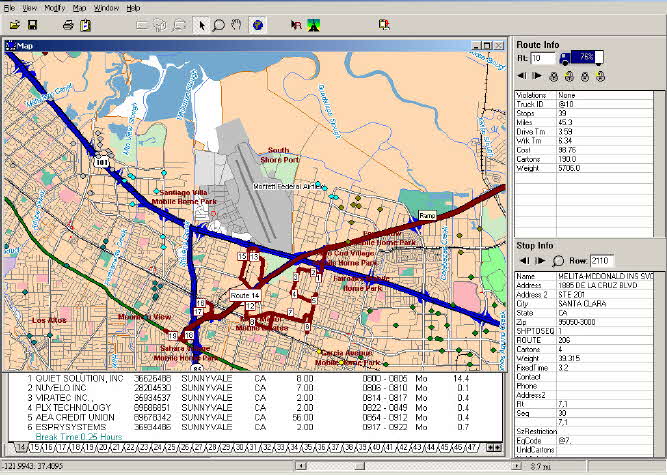
- For companies that ship with a private or dedicated fleet of trucks, there are TMS applications that optimize fleet routing and route/stop assignments to each shipment. As well, there are applications to manage the dispatch of outbound trucks as they are on the road with driver standards and load status monitoring.
- Lastly, there are TMS applications to manage international and multi-modal inbound and/or outbound shipments that may involve marine, rail, or over the road modes.
Unlike the WMS market, the market for Transportation Management Systems has a very significant variance in cost and complexity. Budgets for TMS applications can range from several thousand of dollars to tens of millions of dollars. Software cost and complexity tend to be related to the total transportation spend being managed by the application.
|